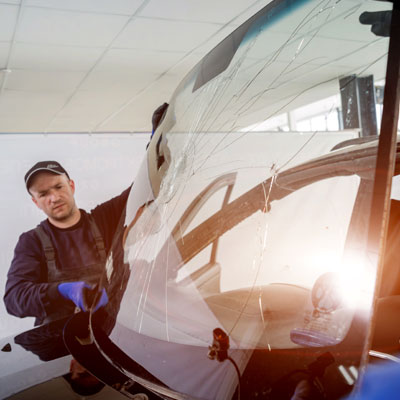
Author: Low Price AutoGlass Escondido

We are your one-stop shop for auto glass replacement in North County. We’ve been providing quality windshield replacement and repair for all makes and models of vehicles to the entire North County of San Diego since 1999. We offer you FREE AUTO GLASS QUOTES and SAME DAY service if needed. We have a reputation for using the best quality auto glass and materials in Escondido.

Windshield damage is a common issue for vehicle owners, ranging from small chips to large cracks. While some drivers may consider simply ignoring the damage, it’s important to address windshield issues promptly, as they can compromise safety and, in many cases, the structural integrity of your vehicle. Fortunately, auto insurance often plays a crucial role in helping to cover the costs of windshield repair and replacement.

In this article, we’ll explore the role of insurance in windshield repair and replacement, how different insurance policies affect the process, and what you need to know to make the most of your coverage.

Windshield Damage: Understanding the Risks

Before diving into insurance coverage, it’s important to understand the potential risks of driving with a damaged windshield. Even a small chip can turn into a major crack over time due to temperature fluctuations, road vibrations, or sudden impacts. A cracked windshield can:

  • Reduce visibility, making it harder to see the road clearly, especially in adverse weather conditions.
  • Compromise the structural integrity of the vehicle, affecting the effectiveness of the airbags in the event of an accident.
  • Affect the vehicle’s safety features, as modern cars rely on the windshield for reinforcement in rollover accidents.

Given these risks, it’s crucial to repair or replace a damaged windshield as soon as possible, which is where insurance comes into play.

Types of Insurance Coverage for Windshield Repair and Replacement

Not all auto insurance policies are the same, and the extent of coverage for windshield repair or replacement can vary. Here’s an overview of the types of coverage that may apply:

Comprehensive Insurance Coverage

  • What it covers: Comprehensive insurance is the most common type of coverage that pays for windshield repairs or replacement. This type of coverage protects your vehicle from non-collision incidents, such as vandalism, natural disasters, theft, or falling objects (like rocks or branches).
  • Windshield claims: If your windshield is damaged by a covered incident, comprehensive insurance typically covers the cost of repair or replacement. Many policies will pay for the repair or replacement minus your deductible.
  • Pros: Comprehensive insurance provides broad coverage, often including windshield damage from environmental factors (e.g., hailstorms or road debris). If you have this coverage, the cost of repairs may be fully covered after the deductible.

Collision Insurance Coverage

  • What it covers: Collision insurance generally covers damage to your car resulting from a collision with another vehicle or an object (like a tree, fence, or pole). While this typically applies to more extensive damage, it could also extend to windshield repair if the damage occurs during a collision.
  • Windshield claims: If a collision leads to windshield damage, collision insurance may cover the cost, though it’s more common for comprehensive insurance to handle this kind of repair. Collision claims may also be subject to your deductible.
  • Pros: If your windshield is damaged during an accident, collision coverage can help pay for repairs, but the out-of-pocket expenses may be higher due to the deductible.

Glass Coverage or Glass Rider

  • What it covers: Some insurance policies offer additional glass coverage (sometimes called a glass rider) as an add-on to your existing coverage. This is a specialized form of insurance that covers windshield repair or replacement, often with minimal or no deductible.
  • Windshield claims: This coverage is designed specifically for damage to your vehicle’s glass, including the windshield, windows, and mirrors. It’s an excellent option for those who want to ensure they are fully protected in the event of glass damage.
  • Pros: The major benefit of a glass rider is that it can cover windshield repair without requiring you to pay a deductible, and it may cover the entire replacement cost. It’s a worthwhile option for anyone concerned about frequent glass damage.

Liability Insurance

  • What it covers: Liability insurance typically covers damages to other people or property when you are at fault in an accident, but it does not usually cover damages to your own vehicle, including the windshield.
  • Windshield claims: Liability insurance does not cover windshield repair or replacement costs unless you have additional comprehensive or collision coverage in place.
  • Pros: While liability insurance is necessary and required in many states, it doesn’t cover windshield repairs, so it’s important to consider adding comprehensive or glass coverage if you want protection for your windshield.

How Windshield Insurance Claims Work

If you have the right type of insurance coverage, filing a claim for windshield repair or replacement is generally a straightforward process. Here’s a step-by-step guide on how windshield insurance claims typically work:

  1. Assess the Damage: Inspect the damage to your windshield. If it’s a small chip or crack, a repair may be possible, but if the damage is extensive, a full windshield replacement may be necessary.
  2. Contact Your Insurance Provider: Call your insurance company to inform them of the damage. Many insurers offer mobile apps or websites where you can submit a claim quickly. You may be asked for details, such as the cause of the damage and photos of the affected area.
  3. Deductibles and Coverage: Check your policy for the deductible amount. Some insurance policies may waive the deductible for small repairs, especially for chips or cracks that can be fixed without needing a full replacement. If the damage is severe, your deductible will likely apply to the cost of the replacement.
  4. Choose a Repair Shop: In many cases, your insurance provider will recommend an auto glass repair shop. However, you may also have the option to choose your own repair service. Be sure to verify that the shop is certified and offers the warranty and quality of service you expect.
  5. Approval and Repair: Once your claim is approved, the repair or replacement will be scheduled. In many cases, windshield repair can be done on the same day, while a full replacement may take a bit longer.
  6. Paying Your Deductible: Depending on your insurance policy, you may need to pay a deductible. However, as mentioned earlier, some policies—especially those with glass coverage or a glass rider—may not require you to pay a deductible for windshield repairs.

Does Insurance Cover Windshield Damage from Road Debris or Vandalism?

Yes, comprehensive insurance typically covers windshield damage caused by road debris (such as rocks or gravel) or acts of vandalism. In the case of road debris, the damage would typically be covered as long as the incident is accidental. If your windshield is intentionally damaged (e.g., broken by vandals), your comprehensive coverage should also cover the costs of repair or replacement.

However, it’s important to review the details of your policy, as exclusions may apply in certain cases.

Tips for Dealing with Windshield Damage and Insurance Claims

  • Act Quickly: Small chips and cracks can often be repaired if caught early. Address windshield damage as soon as you notice it to avoid further deterioration.
  • Know Your Coverage: Review your auto insurance policy to understand what’s covered and what’s not. If you’re unsure, speak with your insurance provider to clarify the details.
  • Use Approved Repair Services: Many insurers work with specific repair shops and may have a network of preferred providers. Using these shops can often speed up the claims process.
  • Consider Glass Coverage: If you live in an area prone to hailstorms or other hazards that could damage your windshield, consider adding glass coverage to your policy for extra peace of mind.

Windshield Repair and Replacement Made Easy with Insurance

Insurance can play a critical role in covering the cost of windshield repair and replacement, ensuring that you don’t have to bear the full financial burden. Whether you have comprehensive coverage, a glass rider, or collision insurance, the right policy can help you get your windshield fixed quickly and affordably.

Understanding your insurance coverage and how to file a claim can simplify the process and minimize out-of-pocket expenses. By addressing windshield damage promptly and utilizing your insurance benefits, you’ll maintain a safe, clear windshield and keep your vehicle in top condition. Always review your policy and talk to your insurer about any questions you may have to ensure you’re fully covered in case of windshield damage.

If you’ve ever had a cracked or shattered windshield, you know how important it is to get it repaired or replaced as soon as possible. A damaged windshield can compromise your safety and the structural integrity of your vehicle, so timely replacement is essential. But if you’re wondering how long the windshield replacement process takes or what to expect during it, you’re not alone. In this article, we’ll break down the typical timeline for windshield replacement and explain what you can expect during the process.

How Long Does Windshield Replacement Take?

On average, a windshield replacement typically takes between 30 minutes to 2 hours. The actual duration depends on several factors, including the type of vehicle, the extent of the damage, the location of the repair shop, and the availability of parts.

  • Standard Vehicles: For most standard passenger cars, the process tends to be on the shorter end of the spectrum, usually around 1 to 1.5 hours. This is because the parts and materials required for the replacement are typically readily available, and there are fewer complications in the installation process.
  • Specialty or Luxury Vehicles: If you drive a specialty or luxury vehicle, the process may take a bit longer, especially if your vehicle has advanced safety features (such as cameras or sensors) that need to be recalibrated after the new windshield is installed. In these cases, the process may take closer to 2 hours or more.
  • Mobile Windshield Replacement: If you opt for a mobile service where the technician comes to your home or work to replace the windshield, the timeline might vary slightly based on location and the availability of the technician.

What to Expect During the Windshield Replacement Process

The windshield replacement process involves several steps, and understanding what to expect can help you feel more comfortable and informed. Here’s an overview of the steps involved in a typical replacement:

Step 1: Inspection and Assessment

The technician will first assess the extent of the damage to determine whether a replacement is necessary. If the damage is beyond repair, such as in the case of a large crack or a shattered windshield, a replacement will be scheduled.

Step 2: Removal of the Damaged Windshield

The technician will carefully remove the old windshield by cutting through the adhesive that holds it in place. This step involves using specialized tools to avoid damaging the surrounding parts of the vehicle, such as the frame or trim.

  • In some cases, if the windshield is deeply cracked or shattered, extra care may be taken to avoid glass fragments from spreading into the vehicle’s interior.
  • The technician will remove any remaining pieces of glass and debris to ensure that the frame is clean and ready for the new windshield.

Step 3: Preparing the Frame

Before installing the new windshield, the frame needs to be properly cleaned and prepped. This involves removing any old adhesive and checking the frame for rust or damage. If there are any issues with the frame, the technician may need to repair them before proceeding.

Step 4: Installing the New Windshield

Once the frame is clean and ready, the technician will apply a new layer of adhesive to the edges where the windshield will sit. The new windshield is then carefully placed and secured into position.

  • The technician will make sure that the windshield is perfectly aligned and that it fits snugly into the frame.
  • Depending on the type of adhesive used, the windshield may need some time to cure and bond before the vehicle is driven.

Step 5: Recalibration (if necessary)

For vehicles with advanced safety features, such as lane-departure sensors, collision avoidance cameras, or rain sensors, the windshield replacement may require recalibration. These sensors and cameras are often mounted in or near the windshield, and their positioning must be precise to ensure proper functionality.

  • Recalibration may take additional time, and it typically requires specialized equipment to ensure the system is working correctly after the windshield is installed.

Step 6: Clean-Up and Final Inspection

After the new windshield is installed and the adhesive has been applied, the technician will clean the windshield and remove any excess adhesive. They’ll also inspect the installation to ensure everything is in place and functioning correctly.

  • In most cases, the technician will also inspect your vehicle’s interior to ensure that there are no glass shards or debris left behind.

What Happens After the Windshield Is Installed?

Once the new windshield is installed, there are a few things you should keep in mind:

  • Curing Time: The adhesive used to secure the windshield needs time to cure. This can take anywhere from 30 minutes to a few hours, depending on the type of adhesive used. It’s important not to drive the car for at least one hour after the installation to allow the adhesive to bond properly.
  • Driving Precautions: While you might be able to drive after a short period, it’s best to avoid heavy traffic or bumpy roads for the first few hours, as the windshield will still be setting. Your technician will provide guidance on how long you should wait before driving your car.
  • Cleaning: You should avoid cleaning the windshield or using windshield wipers for the first 24 hours after replacement. This gives the adhesive ample time to bond and ensures that the seal remains intact.
  • Water Leaks: If you notice any water leakage or wind noise around the windshield after installation, it’s important to contact the repair shop right away to ensure the seal is intact.

Windshield Replacement Costs and Insurance

The cost of windshield replacement can vary depending on several factors, such as the make and model of your vehicle, the location of the repair shop, and whether the replacement includes additional features like sensor recalibration. On average, windshield replacement costs range from $200 to $500.

  • Insurance: Many insurance companies cover windshield replacement, especially if the damage was caused by an accident or if you have comprehensive coverage. Be sure to contact your insurer beforehand to confirm whether they’ll cover the replacement and if you’ll need to pay a deductible.

While windshield replacement is a straightforward process, the time it takes can vary depending on the vehicle, the complexity of the replacement, and whether recalibration is required. On average, you can expect the replacement to take anywhere from 30 minutes to 2 hours. By understanding the steps involved and knowing what to expect, you can ensure a smooth and hassle-free experience when replacing your windshield. Always follow your technician’s instructions for aftercare to ensure the safety and longevity of your new windshield.

A damaged windshield can occur unexpectedly, whether from flying debris, extreme weather, or minor accidents. When faced with this issue, mobile windshield replacement services offer a convenient and efficient solution. Instead of driving to a repair shop, these services bring the repair directly to you. Here’s why choosing mobile windshield replacement is a smart decision.

1. Unmatched Convenience

Mobile windshield replacement eliminates the hassle of scheduling a trip to a repair shop.

  • On-the-Go Service: Technicians come to your preferred location, whether it’s your home, workplace, or another spot.
  • Save Time: No need to sit in waiting rooms or adjust your schedule to fit in a repair.

2. Enhanced Safety

Driving with a cracked or shattered windshield can be dangerous.

  • Avoid Risks: A damaged windshield can impair visibility or compromise the vehicle’s structural integrity.
  • Immediate Repairs: Mobile services ensure prompt repairs, reducing the time spent driving with a hazard.

3. Quality Repairs on Your Schedule

Mobile windshield replacement services use the same high-quality materials and expertise as traditional shops.

  • Professional Technicians: Certified professionals ensure precise installation and repairs.
  • Flexible Appointments: Choose a time that works best for you, even during non-traditional hours.

4. Cost-Effective Solution

Mobile services often come at no additional cost compared to in-shop repairs.

  • Insurance Coverage: Many auto insurance policies cover mobile windshield replacements.
  • Save on Travel Costs: No need to spend on gas or time to reach a repair shop.

5. Minimal Downtime

Mobile windshield replacement allows you to continue with your day while repairs are underway.

  • No Interruptions: Handle your work, errands, or leisure activities without interruption.
  • Quick Repairs: Technicians complete replacements efficiently, often within an hour.

6. Accessible for All Vehicles

Mobile services are equipped to handle a wide range of vehicles.

  • Versatility: Whether you have a car, truck, SUV, or commercial vehicle, technicians can accommodate your needs.
  • Specialized Repairs: They can also work with vehicles that require specific windshield types or sizes.

7. Weather and Emergency Solutions

Mobile windshield replacement is invaluable during emergencies or in extreme weather.

  • Roadside Assistance: If your windshield is damaged on the road, mobile technicians can provide immediate help.
  • Weather-Protected Repairs: Many services use temporary coverings or operate under mobile shelters to ensure repairs are completed in all conditions.

Mobile windshield replacement services offer a convenient, safe, and efficient solution for handling damaged windshields. By choosing this service, you can save time, avoid risks, and enjoy professional repairs without leaving your location.

Don’t let a damaged windshield disrupt your routine—opt for mobile replacement services and get back on the road with ease.

Auto glass plays a critical role in protecting passengers and maintaining vehicle integrity, but weather conditions can significantly impact its durability and performance. From extreme heat in the summer to freezing cold in winter, seasonal weather affects auto glass differently, making it important to know the repair tips to keep your glass in top shape year-round. Here’s how weather impacts auto glass in each season and what you can do to prevent or repair damage.

Winter: Freezing Temperatures and Snow

During winter, cold temperatures can cause existing chips and cracks in your windshield to expand. Water from rain or snow can seep into even tiny cracks and freeze, causing the glass to expand and potentially shatter. Furthermore, frost and ice create additional stress on the glass, making it more vulnerable to damage.

Winter Repair Tips:

  • Inspect Regularly for Damage: Before winter sets in, check for any existing chips or cracks, no matter how small. Address them immediately, as cold weather can make these issues worse.
  • Defrost Carefully: Avoid using hot water or sharp objects to remove ice. Instead, use a proper defroster or an ice scraper, starting at the edges and moving inward gradually.
  • Avoid Sudden Temperature Changes: Don’t turn on the defroster at the highest setting right away. Instead, warm the car gradually to prevent thermal stress on the glass.

Spring: Rain and Temperature Fluctuations

Spring often brings rain, and temperature fluctuations are common as the weather transitions from winter to summer. Excess moisture from rain can seep into tiny cracks or chips and contribute to the spread of damage. Additionally, pollen buildup in spring can create a thin film on auto glass, reducing visibility.

Spring Repair Tips:

  • Keep Windshield Clean: Regularly clean your windshield to remove pollen and grime. Use a good-quality glass cleaner for streak-free results and to improve visibility.
  • Address Chips and Cracks Early: Moisture from rain can seep into small chips and cause them to spread, so repair any minor damage as soon as it’s noticed.
  • Check Your Wipers: Wipers play an essential role in keeping your windshield clear. Replace worn-out wipers in spring to avoid scratching or further damaging your windshield.

Summer: Intense Heat and UV Exposure

In summer, the intense heat can cause windshields to expand, putting added stress on any existing cracks or chips. When parked in direct sunlight, interior temperatures can rise, making auto glass more vulnerable to damage. Rapid cooling from air conditioning can also result in a thermal shock that further compromises the glass’s structural integrity.

Summer Repair Tips:

  • Park in Shade When Possible: To protect your windshield from intense heat, park in shaded areas or use a windshield shade. This helps reduce interior temperature and prevents glass expansion.
  • Avoid Extreme Temperature Changes: Avoid blasting the air conditioner on high when the vehicle is extremely hot. Instead, cool the car gradually to avoid sudden temperature shifts.
  • Check for Chips and Cracks Often: The hot summer sun can quickly worsen minor chips, so regularly inspect your windshield and get repairs done promptly.

Autumn: Falling Debris and Fluctuating Temperatures

Autumn is often marked by falling leaves, branches, and fluctuating temperatures. Leaves and debris can build up on your windshield, which can cause scratches or create a layer of moisture that fosters mold growth. Additionally, temperatures begin to drop, which can affect glass integrity, particularly if there’s pre-existing damage.

Autumn Repair Tips:

  • Keep the Windshield Clear of Debris: Clean off any leaves or branches as soon as possible to prevent scratches and maintain visibility.
  • Inspect and Repair Damage Before Winter: Prepare for the colder months by getting any chips or cracks repaired during autumn, as they may worsen with dropping temperatures.
  • Apply a Rain-Repellent Solution: This can help keep your windshield clear during autumn rains and improve visibility in wet conditions.

Common Year-Round Auto Glass Maintenance Tips

Regardless of the season, there are several universal tips for keeping your auto glass in the best condition possible:

  1. Regularly Clean the Glass: Keep your windshield and windows clean for better visibility and to prevent dirt from accumulating in cracks.
  2. Replace Worn Wiper Blades: Old or damaged wiper blades can scratch your windshield, leading to additional repairs.
  3. Repair Minor Damage Promptly: Even small chips or cracks can grow and become costly repairs. Fixing them early can prevent further damage.
  4. Drive Carefully in Hazardous Conditions: Be cautious around construction sites or roads with loose gravel, as debris kicked up from other vehicles can easily chip or crack your windshield.

When to Call a Professional

If you notice any chips or cracks in your auto glass, it’s best to consult a professional as soon as possible. Auto glass experts can assess the extent of the damage and recommend the appropriate repair or replacement options. Remember, minor damage can often be fixed quickly, while ignoring it can lead to larger, costlier problems down the line.

Weather has a significant impact on auto glass, but with preventative maintenance and timely repairs, you can keep your windshield in excellent condition throughout the year. By understanding how each season affects your auto glass and following the tips for each type of weather, you can extend the life of your windshield and ensure that it remains safe and functional for years to come.

A cracked or chipped windshield is not just an eyesore—it’s also a safety hazard. But when faced with windshield damage, many drivers wonder whether to repair the damage or replace the windshield entirely. Both options come with different costs, benefits, and timelines. This article explores the pros and cons of windshield repair versus replacement to help you decide which service saves you more time and money.

1. When Should You Choose Windshield Repair?

Repairing a windshield is often quicker and more affordable, but not all damage can be fixed with repairs alone. Here are situations where repair is recommended:

  • Size of the Damage: Small chips or cracks smaller than 3 inches are usually repairable.
  • Location: If the chip is not in the driver’s line of sight, repairs are more viable.
  • Type of Crack: Star-shaped cracks or bullseye chips are easier to repair than long or spreading cracks.
  • Depth: Damage that hasn’t penetrated both layers of the glass (laminated glass) can be repaired.

Advantages of Windshield Repair

  • Cost-Effective: Repairing a small chip is much cheaper than full replacement, often costing between $50-$150.
  • Quick Service: Repairs typically take only 30 minutes to an hour.
  • Insurance Coverage: Many insurers cover repairs with little to no deductible, making it an attractive option.
  • Prevents Further Damage: Prompt repairs stop cracks from spreading and reduce the need for costly replacements later.

When Repair May Not Be Enough

  • If the damage obstructs the driver’s view, repairs might not restore full clarity.
  • Cracks larger than 3-6 inches may still spread after repair, reducing the windshield’s integrity.

2. When Should You Opt for Windshield Replacement?

In some cases, replacement is the only viable option. Here’s when it’s better to replace the windshield:

  • Severe Cracks: If the crack is larger than 6 inches or spreading quickly, replacement is necessary.
  • Damage in Driver’s Line of Sight: Repairs might not restore perfect clarity, so a replacement ensures safety.
  • Edge Cracks: Cracks along the edges of the windshield weaken the structural integrity and require a full replacement.
  • Multiple Chips: If there are more than three chips, a replacement will provide better durability.

Advantages of Windshield Replacement

  • Safety: A new windshield restores structural integrity, which is essential in case of accidents.
  • Long-Term Solution: Replacement eliminates the risk of further damage or cracks spreading.
  • Insurance Coverage: Some policies offer free windshield replacement or reduced deductibles.

Challenges of Replacement

  • Higher Cost: Replacements can range from $200 to $500 or more, depending on the vehicle model and windshield type.
  • Longer Service Time: Replacement can take 1-2 hours, and it’s recommended to wait at least an hour after installation before driving.


3. Insurance Considerations

  • Comprehensive Coverage: If your policy includes comprehensive insurance, both repair and replacement might be covered. However, repairs usually have no deductible, while replacements may involve one.
  • Glass Coverage Add-Ons: Some insurers offer specialized glass coverage that eliminates out-of-pocket expenses for windshield replacement.

4. Which Option Saves You More?

  • Short-Term Savings: If the damage is minor and doesn’t obstruct your view, repair is the way to go. It’s faster, cheaper, and often covered fully by insurance.
  • Long-Term Savings: If the crack is severe or in a critical area, replacement provides better durability and safety, preventing future repairs or accidents.

Choosing between windshield repair and replacement depends on the severity, location, and size of the damage. If the damage is minor, repair offers a quick and cost-effective solution. However, for larger or more severe cracks, replacement ensures safety and long-term durability. To make the most financially sound decision, consult with your auto glass repair expert and check your insurance policy for coverage options.

Taking quick action can save you money and prevent further damage—so whether it’s a small chip or a large crack, don’t wait to get it fixed!

Call Now Button